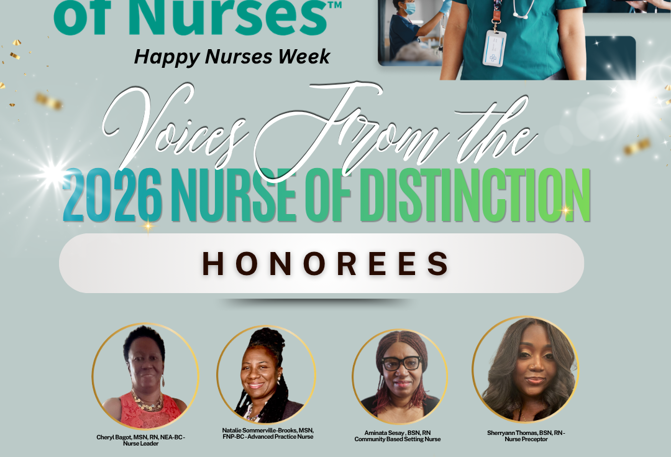
In honor of National Nurses Week, a few of OBH's 2026 1199SEIU Nurses of Distinction honorees shared reflections on the Power of Nurses and what the profession means to them. Their stories highlight the compassion, resilience and dedication that continue to make a lasting impact on patients, families and the communities we serve.
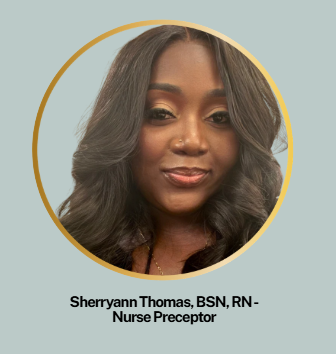
What does the power of nursing mean to you beyond medical care?
To me, the power of nursing extends far beyond clinical skills. Sometimes, nursing beyond medical care is as simple as offering a listening ear to a tearful or frustrated patient. In those moments, I’ve learned that what patients often need most isn’t another explanation or treatment, but to feel heard, understood, and supported.
I make it a point, whenever possible, to slow down and truly listen. To learn who my patients are beyond their diagnosis. To acknowledge their fears, their frustrations, and their resilience. In doing so, I aim to empower them — reminding them that they are not just passive recipients of care, but active participants in their healing process
In moments when patients feel overlooked or unheard, how do you use your voice as a nurse to advocate for them?
In moments when patients feel overlooked or unheard, I see advocacy as both a responsibility and a privilege. It begins with empathy — truly putting myself in that patient’s position. I often imagine myself, or someone I love, lying in that bed, feeling vulnerable, frustrated, or dismissed.
Other times, advocacy requires me to speak up clearly and confidently. It can be as immediate as reaching out to a physician to request pain management for a patient who is visibly uncomfortable, ensuring their needs are addressed without delay. It can also extend beyond the bedside — participating in meetings, contributing to committees, and helping shape policies that improve how care is delivered for future patients.
What kind of legacy do you hope to leave in the lives of the people you care for through your nursing journey?
Long after the medications are given, the procedures are completed, or the hospital stay is over, I hope my patients remember how I made them feel during some of the most vulnerable moments of their lives. For me, nursing has never been solely about treating illness; it’s about preserving dignity and bringing light into moments that can often feel overwhelming and uncertain.
If my patients can walk away feeling even a little more hopeful, empowered, or comforted because of our interaction, then I know I’ve made a meaningful impact. I also hope my journey inspires those around me — especially new nurses — to never lose sight of the human side of healthcare. Skills and knowledge are essential, but empathy is what truly transforms care.
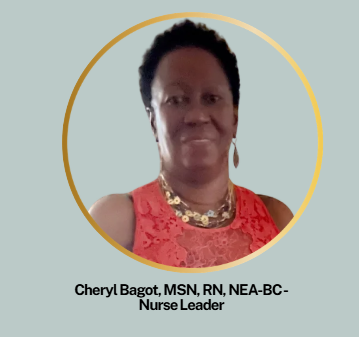
What does the " power of nursing " mean to you beyond medical care?
The power of nursing has provided me with the opportunity to interact with patients and members of the community when they are most vulnerable. Their need for care that is not selective and meets their immediate needs is one of the core values of nursing. A kind word, a therapeutic touch, a smile, a listening ear are among the values that nursing has empowered me to bring to the profession.
In moments when patients feel overlooked or unheard, how do you use your voice as a nurse to advocate for them?
When patients feel overlooked or unheard, it is my duty to ensure that I listen first to what is the basis of the feeling and offer support in getting the discord addressed. Because of the community we serve, it’s sometimes a case of acknowledgement or not addressing what the patient shares. These are opportunities to link the patient with the care team by having structured, patient-centered conversations.
What kind of legacy do you hope to leave in the lives of the people you care for through your nursing journey?
I propose to leave a rich legacy of caring, compassion, empathy, acknowledgement and satisfaction that is endorsed by those that were cared for by me and staff whose career has benefited from my presence.
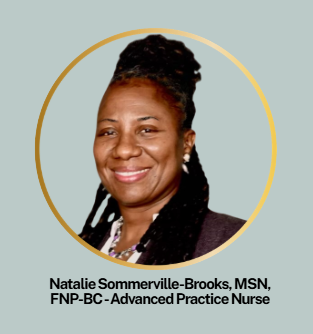
What does the power of nursing mean to you beyond medical care?
The power of nursing, to me, extends far beyond medical care. It is having an advocate who is not bound by circumstance or relationship, but by commitment to the patient. It is being present whether at the bedside or on the other end of a phone call when someone feels as though their world is turning upside down. It is listening, even without saying a word, when a patient simply needs to be heard. Providing steady support during life-altering procedures and uncertain moments. In the context of sickle cell disease, this role becomes even more critical. The nurse serves as a bridge between the patient and the physician, helping translate not only medical information, but also the patient’s lived experience, concerns, and needs. It requires understanding the difficulty patients often face in expressing what they are going through and ensuring their voices are fully represented in their care.
In moments when patients feel overlooked or unheard, how do you use your voice as a nurse to advocate for them?
Sickle cell disease primarily affects individuals of color and remains one of the most overlooked and underserved conditions in healthcare. I use my voice as a nurse by first empowering my patients with knowledge, ensuring they understand their disease thoroughly, so they are equipped to advocate for themselves. Advocacy also extends beyond the clinical setting. I make it a priority to be present in schools, educating staff on how to safely and effectively support students living with sickle cell disease. I engage in community outreach and participate in any platform that is willing to listen, with the goal of raising awareness and driving meaningful change.
What kind of legacy do you hope to leave in the lives of the people you care for through your nursing journey?
When I can no longer care for sickle cell population directly, I hope they remember what exemplary, compassionate care feels like and that they continue to seek those same qualities in every provider they encounter. I also hope to have contributed to training and mentoring future clinicians to understand what is truly required to care for patients living with sickle cell disease not just clinically, but with empathy, patience, and respect. Ultimately, my deepest hope is that my patients felt seen, valued, and cared for. I want to leave behind a population of patients who are confident self-advocates.
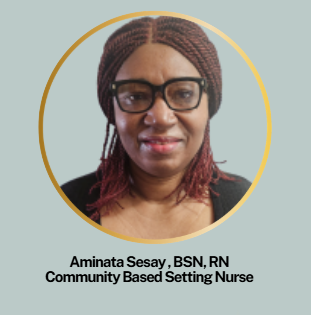
What does the power of nursing mean to you beyond medical care?
To me, the power of nursing means that there is something truly meaningful about helping others. It takes a special type of person to be a nurse, and the entire profession revolves around taking care of others in their most vulnerable moments.
In moments when patients feel overlooked or unheard, how do you use your voice as a nurse to advocate for them?
I pride myself on my people skills and my communication skills. When patients feel unheard, I use my position as a Case Management Nurse to find the best options for them and work towards accommodating their needs and interest as best as possible. Working along side the Social Workers to facilitate a safe discharge planning & follow ups within patients' community.
What kind of legacy do you hope to leave in the lives of the people you care for through your nursing journey?
I want the people I cared for to believe in the power of community. I grew up in a tight-knit village in West Africa, where everyone helped each other without looking for something in return. I chose to become a nurse due to the caring environment I was raised in and I want my legacy to be rooted in that as well.